WhatsApp Image 2025-08-08 at 12.51.10_746dba32

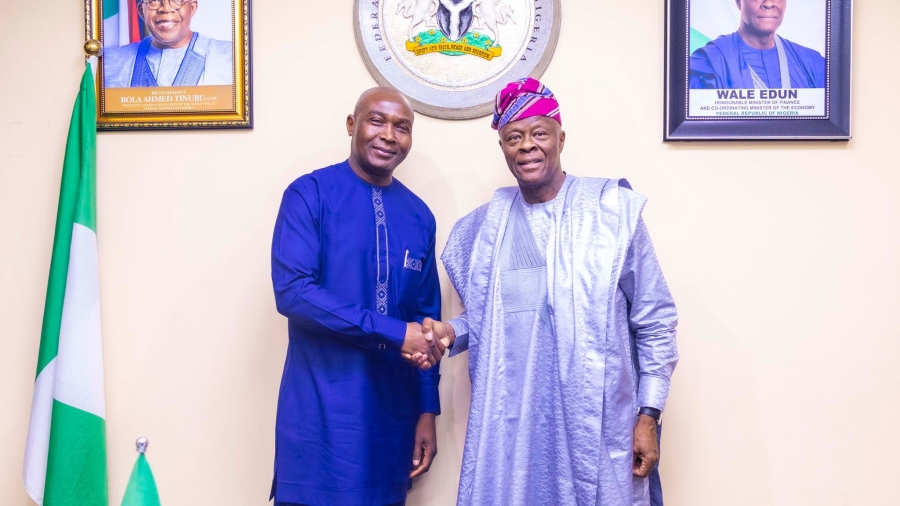
Edun, Naccima Boss Discuss Economic Reforms, Charts Private Sector-Led Economy

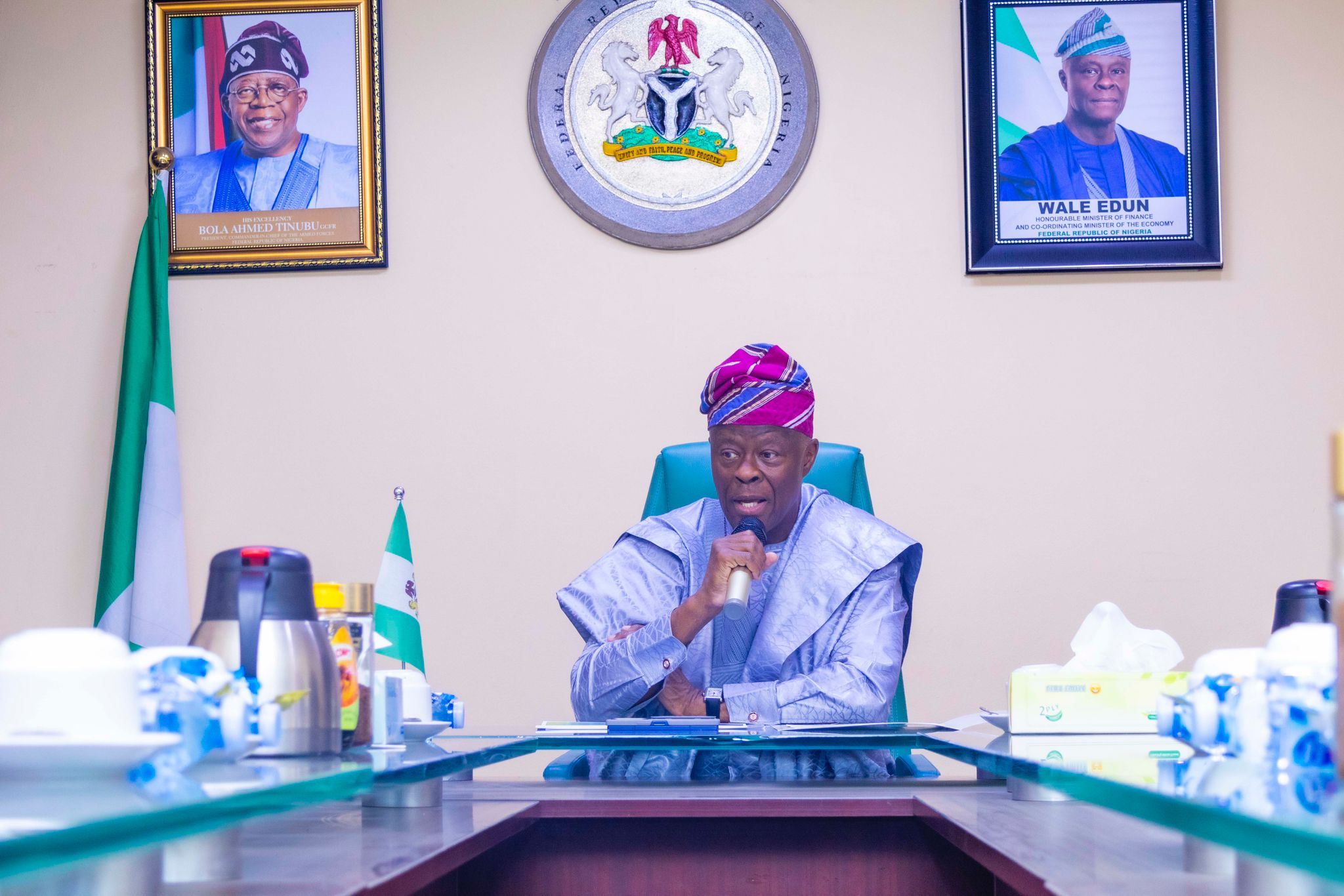
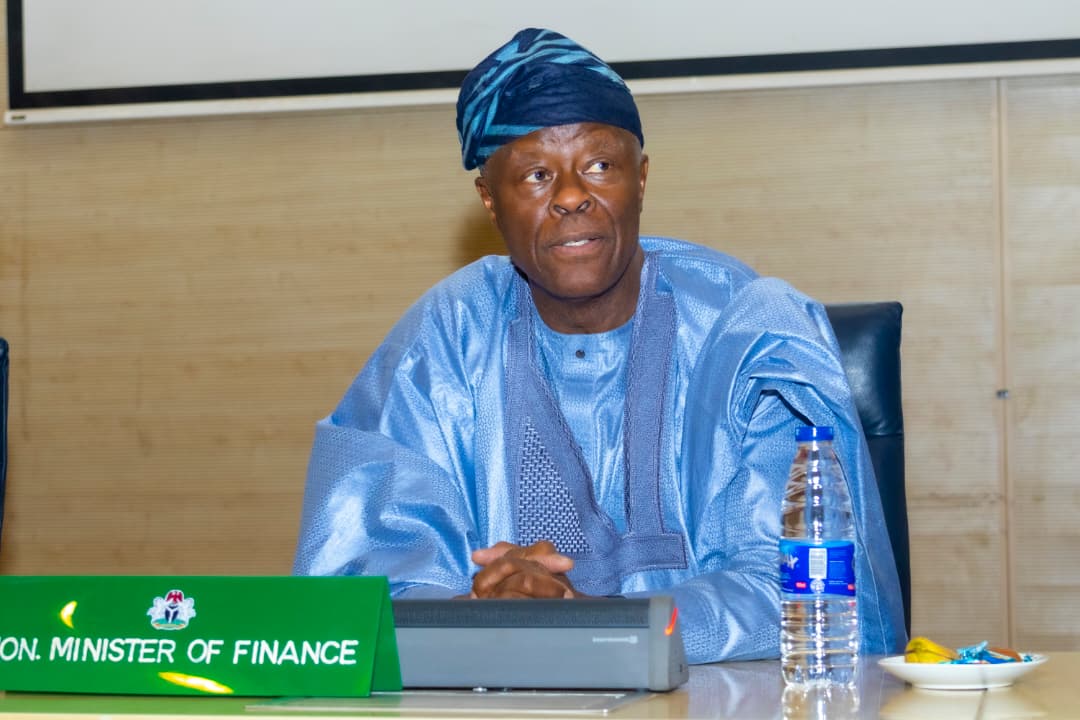
The Honourable Minister of Finance and Coordinating Minister of the Economy, Mr. Wale Edun has reaffirmed the President Bola Ahmed Tinubu-led Administration’s commitment to leveraging the private sector as a key driver of Nigeria’s economic growth and development.

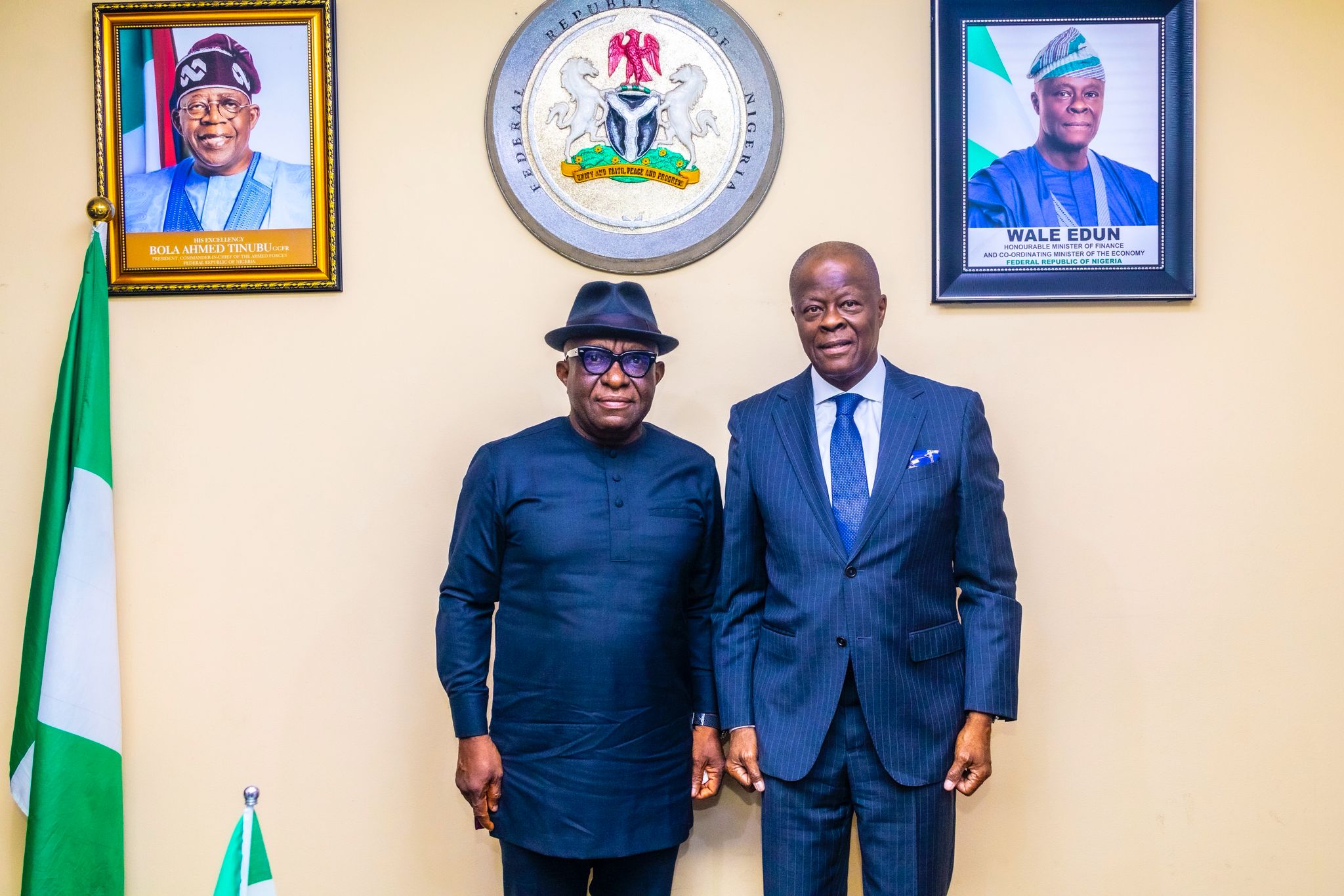
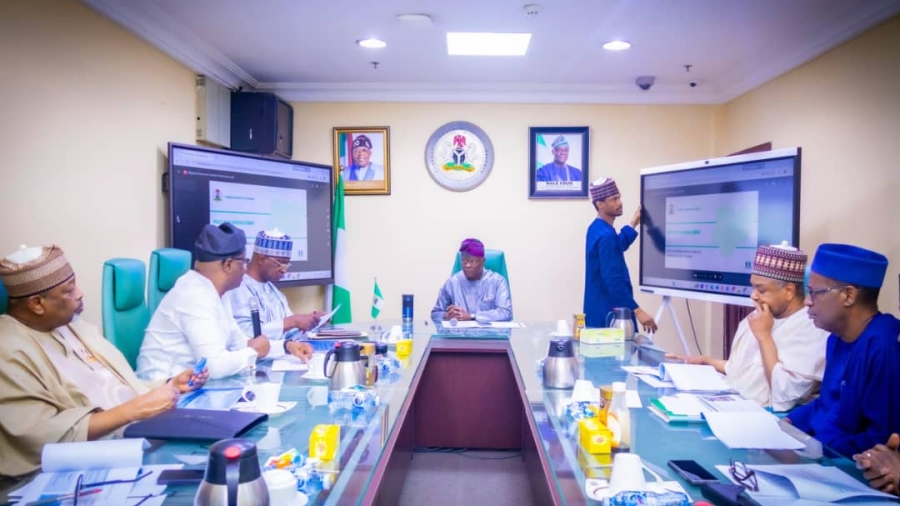
The Minister gave the assurance today in his office in Abuja when he received a high-level delegation from the Nigerian Association of Chambers of Commerce, Industry, Mines and Agriculture (NACCIMA), on a courtesy visit led by the Director General Mr. Sola Obadimu

The meeting discussed strategic collaboration on Nigeria’s economic reform programme, with a focus on correcting long-standing structural distortions to build a more resilient and inclusive economy. HM Edun highlighted recent progress in strengthening the Naira, attracting diaspora and domestic capital, as well as reducing import dependence through increased local production.

Speaking earlier, the Director General NACCIMA, Mr. Obadimu commended key reforms of the present administration, notably the removal of fuel subsidies and unification of the exchange rate, while calling for deeper engagement on tax clarity, access to trade finance for MSMEs, and better alignment between policy timelines and implementation.

Both parties affirmed that sustained economic transformation will depend on effective public-private partnership, placing the private sector at the centre of Nigeria’s long-term growth strategy. They also discussed NACCIMA’s upcoming 65th Annual Conference and Investment Summit, themed Harnessing Private Sector Potential to Achieve a One Trillion Dollar Economy by 2030.

The meeting underscores the administration’s commitment to private sector-led economic growth and development. As Nigeria continues to navigate its economic challenges, the collaboration between the government and private sector stakeholders will be crucial in driving sustainable growth and development.

Signed
Mohammed Manga FCAI
Director, Information and Public Relations
August 1, 2025

www.finance.gov.ng
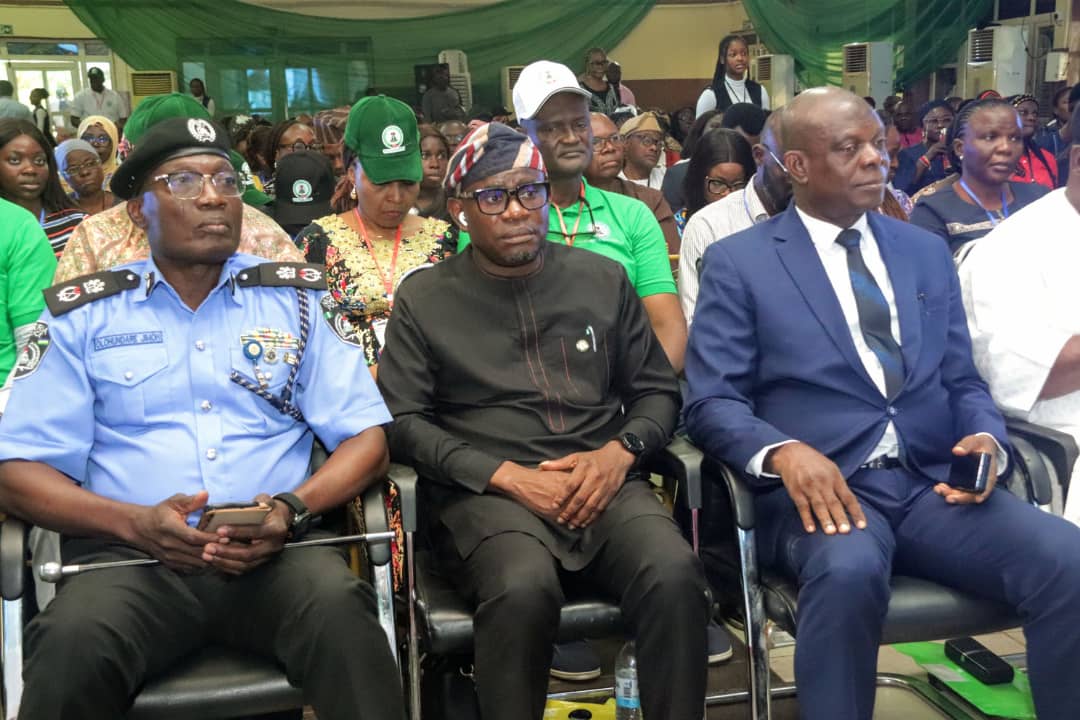
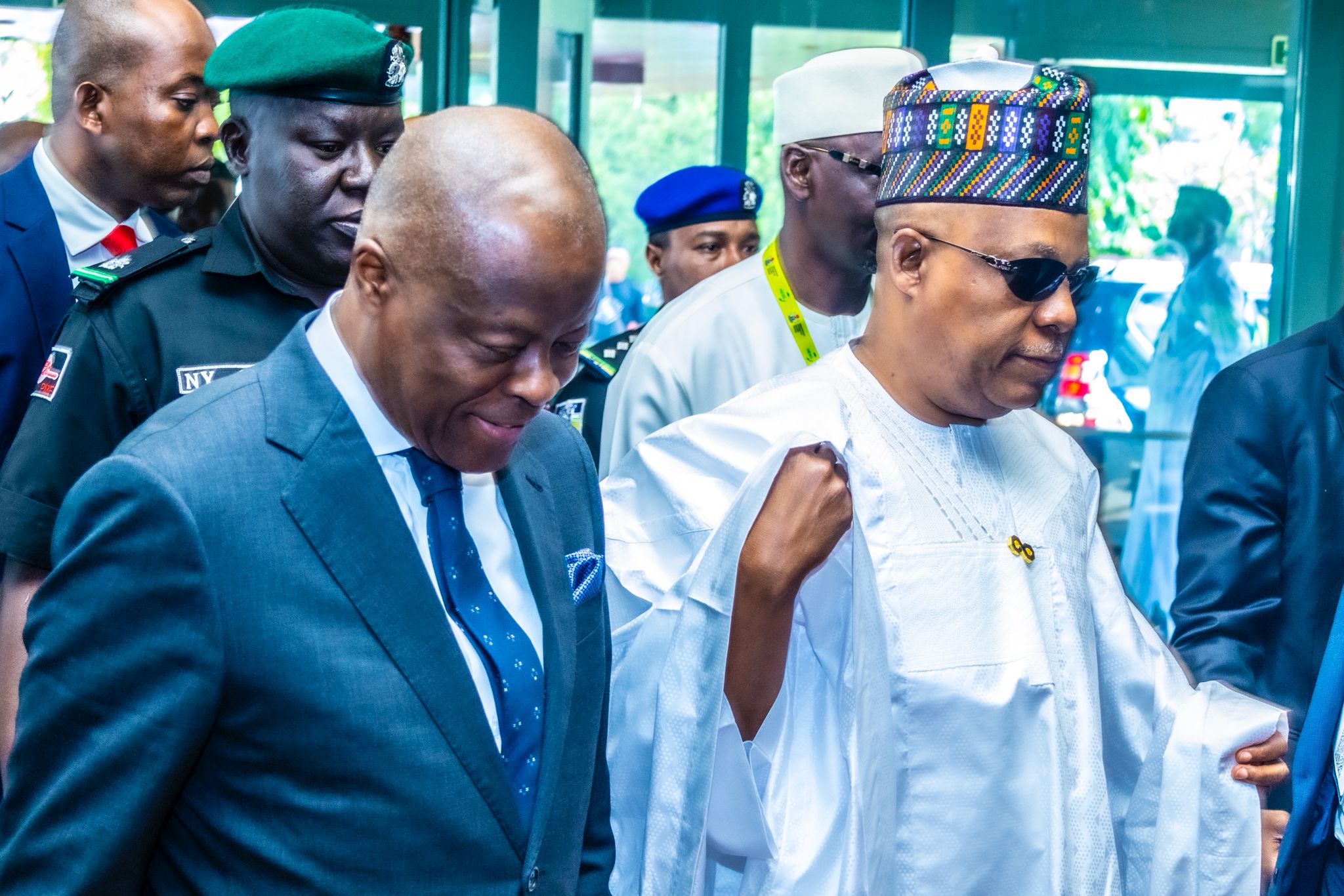
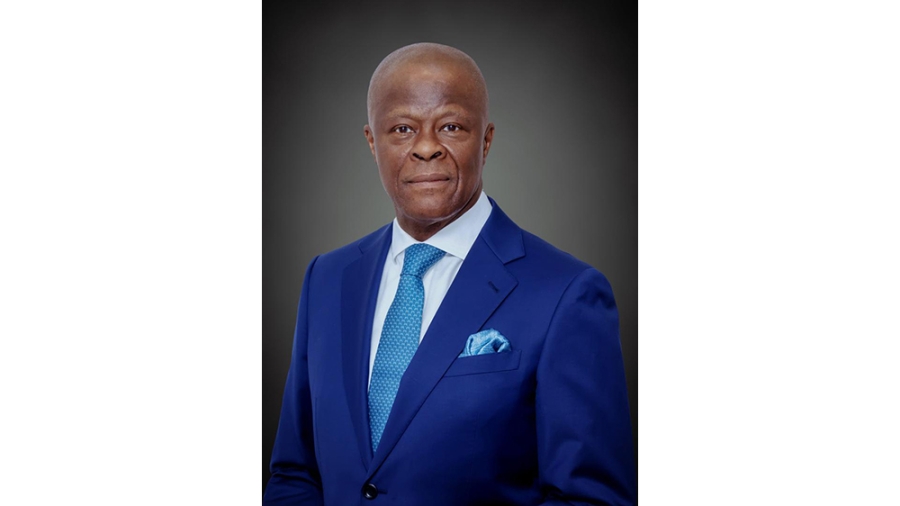
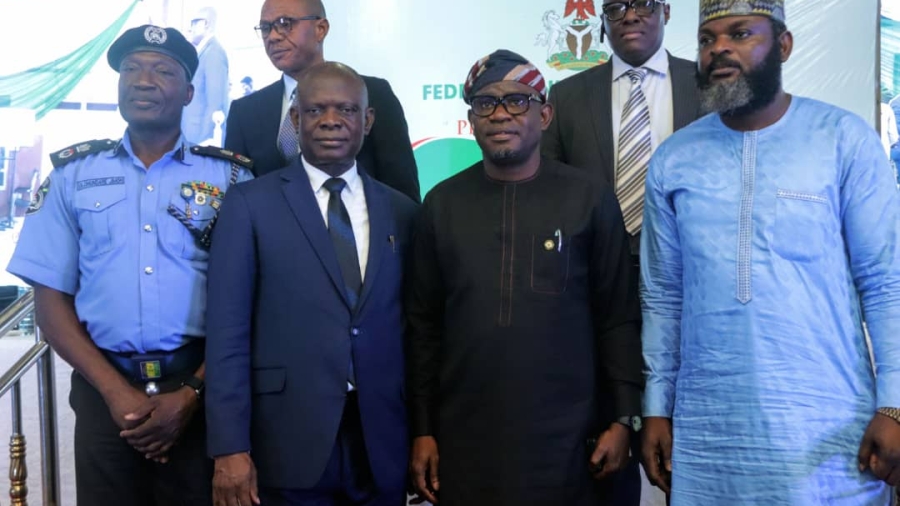
The Minister of Finance and Coordinating Minister of the Economy, Mr. Wale Edun (3rd left) and the Minister of State for Finance, Dr. Doris Uzoka-Anite pose for a group photo with the newly appointed MD/CEO Nigeria Deposit Insurance Corporation (NDIC), Mr. Thompson Oludare Sunday (1st left) and Executive Director (Operations) NDIC, Dr. Kabir Sabo Katata (1st right) during their inauguration as the new NDIC Management by the Honourable Minister in Abuja.

Nigeria’s Economic Reforms Gain Momentum as World Bank Reaffirms Commitment to Private Sector Growth

The Honourable Minister of Finance and Coordinating Minister of the Economy, Mr. Wale Edun, today received Ms. Anshula Kant, Managing Director and Chief Financial Officer of the World Bank, for a high-level engagement focused on deepening economic reforms and mobilising private capital for growth.

Ms. Kant, who led a senior delegation to Abuja, described Nigeria as a cornerstone of the World Bank’s Africa strategy and praised the government’s bold macroeconomic reforms, including foreign exchange liberalisation and subsidy removal, for restoring investor confidence and laying the foundations for inclusive, private sector–driven development.

Nigeria’s reform momentum is both necessary and commendable, she noted. We stand ready to accelerate our support, particularly in energy, digital access, and youth employment, the pillars of a competitive, future-facing economy.

HM Edun reiterated that Nigeria’s priority is scaling growth through strategic investment in infrastructure, agriculture, and digital innovation. He cited renewed investor interest, improved reserves, and over $7 billion in oil and gas commitments as early signals of success. The path to sustainable prosperity lies in unlocking private investment. The World Bank’s partnership is critical to achieving this, he said.

The meeting also explored innovative financial tools to reduce the cost of capital and boost SME financing, including blended finance platforms and new guarantee instruments under MIGA.

The session concluded with a shared commitment to deepen collaboration, ensuring Nigeria’s reforms translate into jobs, capital flows, and resilient economic growth for the benefit of all.

Signed
Mohammed Manga FCAI
Director, Information and Public Relations
July 25, 2025

www.finance.gov.ng
HMF_DPn

Edun Commissions CNG Buses, Reaffirms Staff Welfare As Pillar Of Economic Delivery

The Honourable Minister of Finance and Coordinating Minister of the Economy, Mr. Wale Edun, today, reaffirmed the Federal Government’s commitment to institutional performance and staff welfare, commissioning a fleet of Compressed Natural Gas (CNG) buses and announcing the reintroduction of essential provisions for the staff

Speaking at a special staff engagement forum in his office in Abuja, Edun emphasised that the Ministry’s internal strength is vital to delivering Nigeria’s broader economic reform agenda. This Ministry is the engine room of national transformation and that engine must be well‑fuelled, he remarked.

The newly commissioned CNG buses, received under the Presidential Initiative on CNG, reflect a dual-purpose commitment: easing staff mobility while accelerating Nigeria’s transition to cleaner, cost‑efficient energy solutions. The move underscores the Ministry’s alignment with private sector expectations for fiscal responsibility, operational transparency, and environmental sustainability.

The event was also graced by the Chairman of the Presidential Initiative on CNG, Barr. Ismaeel Ahmed, who reiterated the programme’s mission to mainstream cleaner transport across government institutions and stimulate local industrial value chains.

The Minister also announced the revival of monthly welfare provisions to staff—a practical gesture aimed at fostering morale and stability as the Ministry leads the charge on macroeconomic reform, treasury digitalisation, and enhanced service delivery.

Ealier in her opening remarks, the
Permanent Secretary, Federal Ministry of Finance Mrs Lydia Shehu Jafiya praised the Minister’s leadership, describing the engagement as a timely moment of unity and recommitment.

She called on staff to reflect the professionalism and discipline that Nigeria’s economic stability demands.

As Nigeria continues to undertake difficult but necessary reforms, the Ministry’s internal cohesion and external accountability remain critical to restoring investor confidence, supporting market growth, and achieving inclusive prosperity.

Signed
Mohammad Manga FCAI
Director, Information and Public Relations
July 23, 2025

www.finance.gov.ng
IMG-20250728-WA0014

FG Applauds N500 Billion Offtake Guarantee Fund, Says Initiative Aligns with Renewed Hope Agenda

The Federal Government has applauded the launch of the Produce for Lagos Programme and ₦500 Billion Off-Take Guarantee Fund, saying the initiative aligns with President Bola Ahmed Tinubu’s Renewed Hope Agenda.

The Honourable Minister of Finance and Coordinating Minister of the Economy, Mr Wale Edun gave the commendation today in his remarks during the groundbreaking ceremony held in Lagos.

Represented by the Honourable Minister of State for Finance Dr. Doris Uzoka-Anite, the Minister highlighted the transformative potential of the programme, stating that it underscores the collective commitment to national food security and exemplifies the transformational power of partnership across levels of government and the private sector.

He stated that the programme aligns with President Bola Ahmed Tinubu’s Renewed Hope Agenda, which identifies agriculture as a foundational and futuristic pillar of Nigeria’s national development architecture.

HM Edun emphasized that the programme will unlock the productive potential of farmers, traders, processors, and transporters and promote inter-state economic solidarity.

We are blessed with vibrant populations, abundant natural resources, and an entrepreneurial spirit that positions us not as competitors, but as partners with a shared vision of resilient economies, inclusive growth, and sustainable development, he stated.

The ₦500 billion Offtake Guarantee Fund was highlighted as a bold and timely intervention, providing assurance to farmers, agribusinesses, and investors, and reducing risks associated with agricultural investments. It tells every farmer that their sweat will be matched with sustainability. Every agribusiness that their risks will be reduced. Every investor that agriculture is bankable, investable, and scalable, the Minister emphasized.

Edun also highlighted the Federal Government’s commitment to revamping and scaling the agricultural sector through various initiatives, including the Presidential Initiative on Compressed Natural Gas (CNG), the National Agricultural Growth Scheme and Agro-Pocket Programme (NAGS-AP), and the development of Special Agro-Industrial Processing Zones (SAPZs).

A $1 billion strategic agreement with the Government of Brazil under the Green Imperative Project was also mentioned, aimed at modernizing Nigeria’s agricultural landscape through the provision of 10,000 tractors, modern farm implements, and agro-processing equipment.

He commended the visionary team behind the project and called on all stakeholders to join hands in building a future where Lagos feeds itself and contributes meaningfully to national food sufficiency. Let it be a call to action for all stakeholders to join hands in building a future where Lagos feeds itself—and contributes meaningfully to national food sufficiency, the Minister concluded.

Signed
Mohammed Manga FCAI
Director, Information and Public Relations
July 23, 2025

www.finance.gov.ng
WhatsApp Image 2025-07-28 at 12.06.24_90bcd3d3

FG Reaffirms Commitment to Empowering Local Government Institutions as Cornerstone of Inclusive Economic Growth

The Honourable Minister of Finance and Coordinating Minister of the Economy, Mr Wale Edun, has reaffirmed the Federal Government’s commitment to empowering local government institutions as a cornerstone of inclusive economic growth.

Speaking at a high-level policy dialogue hosted by AGORA Policy with support from the MacArthur Foundation, the Minister underscored that strengthening local governance is central to President Bola Ahmed Tinubu’s poverty reduction strategy. Grassroots empowerment is not just a governance issue, it’s an economic imperative, he said.

HM Edun referenced the Federal Government’s recent compliance with the Supreme Court’s landmark ruling on local government autonomy, affirming that only democratically elected local councils now receive direct allocations from the Federation Account. This, he clarified, is not a policy choice but the government’s constitutional obligation to uphold the judgment of the highest court of the land.

To reinforce this shift, the Federal Government has launched targeted initiatives including the Nutrition 774 Programme, Project 774 Digital Connectivity, and the HOPE Programme supported by the World Bank. Each intervention is designed to drive outcomes in human capital development, digital access, and local-level service efficiency — all critical to unlocking Nigeria’s long-term productivity.

These are not symbolic gestures, Edun stated. They are structured investments in governance that catalyse private sector confidence, reduce economic exclusion, and foster scalable development.

He concluded by calling for deeper coordination between all tiers of government, emphasising that the full economic benefit of local government reform can only be realised through strategic collaboration and policy discipline.

Signed
Mohammed Manga FCAI
Director, Information and Public Relations
July 23, 2025

www.finance.gov.ng

HMF_DPn

Wale Edun Welcomes Rebased GDP Figures And Strong Q1 2025 Growth As Foundation For Sustained Economic Takeoff

The Honourable Minister of Finance and Coordinating Minister of the Economy, Mr. Wale Edun, has welcomed the release of Nigeria’s 2024 rebased Gross Domestic Product (GDP) figures and the Q1 2025 GDP growth estimate of 3.13%, describing both as important signals of the country’s economic resilience and renewed momentum.

The GDP rebasing—Nigeria’s first since 2014—was undertaken by the National Bureau of Statistics (NBS) in line with international best practices and represents a critical step toward more accurate, up-to-date, and comprehensive measurement of the economy. The updated national accounts now better reflect structural changes in the economy, including the rise of the digital and creative sectors, increased activity in services, and stronger diversification across non-oil industries.

The rebased GDP provides a clearer lens through which to view Nigeria’s economic performance. It allows policymakers, investors, and citizens to better understand the true size and composition of the economy, so we can plan more effectively and deliver greater prosperity to all Nigerians, the Minister stated.

Structural Shifts Reflect a Modernising, Diversifying Economy

The rebased data reveal important shifts in the structure of the Nigerian economy. Notably, the services sector—particularly ICT, finance, entertainment, and professional services—now accounts for a larger share of GDP. Agriculture and manufacturing remain vital contributors, while the role of oil and gas continues to decline in relative terms, underscoring the impact of ongoing diversification efforts.

These changes are not just statistical—they reflect real transitions underway in the Nigerian economy. Our young, tech-savvy population is powering growth in new sectors, and our reforms are unlocking the potential of industries that were previously underrepresented in our GDP figures, Edun noted.

This evolving structure reinforces the government’s strategy of investing in productivity, infrastructure, digital innovation, and human capital to drive future growth and job creation.

Q1 2025 Growth Outpaces Previous Year — A Sign of Momentum

The Minister also highlighted the 3.13% year-on-year GDP growth recorded in Q1 2025, an improvement over the 2.4% recorded in Q1 2024, as further evidence that the economy is gaining strength under the Renewed Hope Agenda. The acceleration was driven by strong performance in agriculture, telecoms, construction, and financial services.

We are encouraged by the broad-based nature of this growth, which is occurring across key sectors and supported by stable macroeconomic reforms. This trajectory reinforces our belief that Nigeria is on the path to rapid, sustained, and inclusive growth, he said.

With continued implementation of structural reforms, fiscal discipline, and targeted investments in critical sectors, the Honourable Minister reaffirmed the government’s medium-term ambition of achieving a 7% annual GDP growth rate, in line with national development priorities.

Our goal is not just growth, but growth with impact, especially the creation of quality jobs. The new data helps us better track progress, refine our strategies, and ensure that economic expansion translates into more jobs, higher incomes, and better living standards for all Nigerians, he added.

The Federal Ministry of Finance commends the National Bureau of Statistics for its professionalism and technical rigour in delivering the rebasing exercise and quarterly GDP reports. These data tools are critical to designing policies that are grounded in reality and aimed at unlocking the full potential of Nigeria’s economy.

Signed
Mohammed Manga, FCAI
Director, Information and Public Relations
July 23, 2025

Email: Media@finance.gov.ng
Website: www.finance.gov.ng

WhatsApp Image 2025-07-28 at 12.06.23_a7b43ef7

Nigeria, Egypt to Deepen Economic Ties with Joint Investment Council

The Federal Government of Nigeria has reaffirmed its commitment to fostering a deeper, more strategic economic partnership with the Arab Republic of Egypt. This commitment was underscored by the Honourable Minister of Finance and Coordinating Minister of the Economy, Mr. Wale Edun, who proposed the establishment of a Nigeria-Egypt Joint Investment Council during the Nigeria-Egypt Business Forum in Abuja on Monday.

The proposed Council will serve as a dedicated platform to identify investment opportunities, mitigate risks, and align public and private sector efforts toward their shared economic growth. This partnership is expected to unlock new frontiers of prosperity, drive sustainable economic growth, and enhance the ease of doing business between the two nations.

We are blessed with vibrant populations, abundant natural resources, and an entrepreneurial spirit that positions us not as competitors, but as partners with a shared vision of resilient economies, inclusive growth, and sustainable development, Edun stated,

Represented by the Honourable Minister of State for Finance, Dr. Doris Uzoka-Anite, the Minister, emphasized that Nigeria remains committed to strengthening bilateral ties with Egypt and unlocking new frontiers of prosperity through strategic dialogue, investment, and private sector collaboration.

The forum highlights Nigeria’s openness to business and its commitment to improving the macro-economic environment and restoring investor confidence through significant fiscal, monetary, and regulatory reforms.

Key sectors identified for Egyptian investment include infrastructure, agriculture and agribusiness, energy and renewables, digital economy, manufacturing as well as industrialization.

These sectors, HM Edun informed, offer vast opportunities for collaboration and are expected to drive economic growth and development in both countries.

The proposed establishment of the Nigeria-Egypt Joint Investment Council is a significant step toward deepening economic ties between the two nations. It is expected to facilitate the identification of investment opportunities, mitigate risks, and align public and private sector efforts toward shared economic growth.

Signed
Mohammed Manga FCAI
Director, Information and Public Relations
July 22, 2025

www.finance.gov.ng
IMG-20250722-WA0235

Nigeria Launches Human Capital Initiative To Unlock Economic Development

The Nigerian government has launched a human capital initiative to unlock economic potential and drive inclusive growth.

The Finance and Coordinating Minister of the Economy, Mr. Wale Edun participated in the inaugural meeting of the National Steering Committee for the Human Capital Opportunities for Prosperity and Equity (HOPE) programme in Abuja.

“The programme is an ambitious, World Bank-supported initiative, aimed at accelerating inclusive economic development through strategic investment in Nigeria’s people.

Chaired by the Minister of Budget and Economic Planning, Senator Abubakar Atiku Bagudu and the committee includes key Federal Executive Council members as co-chairs, including Ministers of Finance, Education, Health, Women Affairs, among others.

In a remark, Mr Edun described the HOPE programme as a transformative platform to unlock Nigeria’s economic potential by strengthening health, education, and governance systems nationwide.

He emphasised that the initiative aligned directly with President Bola Ahmed Tinubu’s economic renewal agenda, which places human capital at the core of sustainable growth.

“The President’s vision is clear: prosperity must be inclusive. No one is to be left behind”, he noted.

With five states and the Federal Capital Territory already onboard, the Minister urged remaining states to join swiftly.

Mr Edun highlighted the strategic urgency of investing in Nigeria’s growing youth population, noting that African countries will account for 25% of the global workforce over the next 30 years.

He reiterated the Ministry’s full support for the swift passage of the Boreum Plan, of which HOPE is a central pillar, before the National Assembly enters summer recess. “The plan provides the financial framework to deliver globally aligned, state-led interventions in primary healthcare, education, and social development”, Edun added.

HMF_DPn

Nigeria Needs 7% Annual Growth to Lift Citizens, Edun Declares Amidst Local Government Autonomy Dialogue

Nigeria must achieve an annual economic growth rate of at least 7 per cent to meaningfully improve the lives of its poorest and most vulnerable citizens, Minister of Finance and Coordinating Minister of the Economy, Wale Edun, has stated.


He delivered this message at a high-level policy dialogue on local government fiscal autonomy held in Abuja on Tuesday, an event convened by Agora Policy in collaboration with the Centre for Fiscal Transparency and Integrity Watch (CeFTiP), TheCable, and the MacArthur Foundation.


The dialogue brought together senior policymakers, civil society leaders, and development stakeholders to consider how fiscal autonomy for local governments can contribute to inclusive growth and effective service delivery across the nation.


Mr Edun stated that the administration of President Bola Tinubu has already laid the groundwork for economic stabilization and long-term resilience through bold early reforms. He explained that the initial actions of the administration addressed major macroeconomic imbalances, including distortions in pricing and structural bottlenecks that previously hindered growth and investment.


“We have made the groundwork for stimulating economic resilience and macroeconomic stability,” Edun said, adding that “The first phase was removing major macroeconomic disruptions in the form of food pricing, employment growth, market pricing, and employment change.”


He further stated that the government is now transitioning into the second phase of its economic reform agenda, with a focus on stabilizing key indicators, controlling inflation, narrowing fiscal deficits, and boosting revenue.


The Minister reiterated the necessity of substantial growth, asserting that “To really help the poorest and most vulnerable, we need to be doing around 7 percent per annum.”


Discussing the broader implications of the recent Supreme Court judgment mandating direct funding to democratically elected local governments, Edun described it as a transformative development within Nigeria’s governance structure.


He explained that local government autonomy, when properly implemented, possesses the potential to accelerate development at the grassroots by bringing decision-making and resource control closer to the populace. He noted that “It is the collaboration, professional determination, and willingness of all to achieve success that will be paramount in ensuring that we achieve what those justices of the Supreme Court have laid down for us.”


Furthermore, he revealed that the federal government is actively pursuing several initiatives aimed at bolstering local governance capacity. These include a national nutrition programme designed to target all 774 local government areas and the 774 Local Government Connectivity Project, which seeks to improve digital infrastructure.


Edun elaborated that “The construction of critical digital technology to increase connectivity has significantly improved access to markets—both domestic and international—access to education, access to health services, and thereby fostering inclusive economic growth.”


From the Fiscal Responsibility Commission (FRC), Executive Chairman Victor Muruako urged local governments to approach their newfound financial independence with a strong commitment to fiscal discipline and transparency. “I passionately urge all local governments in Nigeria to preface the implementation of their autonomy with clear commitments to fiscal transparency, accountability, and prudence,” Muruako stated.


He advised caution regarding borrowing, despite the opportunity autonomy provides for local governments to engage directly with financial institutions for development financing. He counseled that borrowing should be carefully managed and strictly aligned with the Fiscal Responsibility Act to ensure sustainable fiscal management.


Muruako, drawing on his past experience as a local council chairman and leadership roles in the Association of Local Governments of Nigeria (ALGON), stressed that the primary objective of autonomy is not institutional independence in itself, but rather improved service delivery and human development at the community level.


Ojobo Ode Atuluku, Chair of Agora Policy, contributed to the dialogue by calling for Nigeria to look beyond mere legal rulings and undertake deeper institutional reforms necessary to revitalize local governance.


She argued that “If we are truly committed to restoring the promise of local democracy, then we must pursue a roots-and-branch reform of our local governance system.”


According to Atuluku, such comprehensive reform must include dismantling entrenched systems of political patronage, overhauling local electoral processes, and transforming local councils into responsive and accountable bodies that genuinely reflect citizens’ needs.


She announced that Agora Policy is preparing to launch the Local Governance Accountability (LGA) Portal, an online tool designed to track statutory allocations from the Federation Account Allocation Committee (FAAC), identify elected officials at the local level, and provide historical profiles of all local governments in Nigeria since 1999.


This portal, she confirmed, “will be a powerful tool for a genuine local governance systems development,” adding that the Abuja event forms part of an ongoing initiative to enhance the transparency and impact of local government institutions.

WhatsApp Image 2025-07-21 at 11.32.08_2f1ae09f

FG, STATES, LGCs Share N1.818 Trillion from A Gross Total of N4.232 Trillion for The Month of June 2025

The Federation Account Allocation Committee (FAAC), at its July 2025 meeting chaired by the Honourable Minister of Finance and Coordinating Minister of the Economy, Mr Wale Edun, shared a total sum of N1.818 Trillion to the three tiers of government as Federation Allocation for the month of June 2025 from a gross total of N4.232 Trillion.

From the stated amount inclusive of Gross Statutory Revenue, Value Added Tax (VAT), Electronic Money Transfer Levy (EMTL), Exchange Difference and N100.000 Billion Augmentation from Non Mineral Revenue, the Federal Government received N645.383 Billion, the States received N607.417 Billion, the Local Government Councils got N444.853 Billion, while the Oil Producing States received N120.759 Billion as Derivation, (13% of Mineral Revenue).

The sum of N162.786 Billion was given for the cost of collection, while N2.251 Trillion was allocated for Transfers Intervention and Refunds.

The Communique issued by the Federation Account Allocation Committee (FAAC) at the end of the meeting indicated that the Gross Revenue available from the Value Added Tax (VAT) for the month of June 2025, was N678.165 Billion as against N742.820 Billion distributed in the preceeding month, resulting in a decrease of N64.655 Billion.

From that amount, the sum of N27.127 Billion was allocated for the cost of collection and the sum of N19.531 Billion given for Transfers, Intervention and Refunds. The remaining sum of N631.507 Billion was distributed to the three tiers of government, of which the Federal Government got N94.726 Billion, the States received N315.754 Billion and Local Government Councils got N221.027 Billion.

Accordingly, the Gross Statutory Revenue of N3.385 Trillion received for the month was higher than the sum of N2.094 Trillion received in the previous month by N1.390 Trillion. From the stated amount, the sum of N134.444 Billion was allocated for the cost of collection and a total sum of N2.231 Trillion for Transfers, Intervention and Refunds.

The remaining balance of  N1.018 Trillion was distributed as follows to the three tiers of government: Federal Government got the sum of N474.455 Billion, States received N240.650 Billion, the sum of N185.531 Billion was allocated to LGCs and N118.256 Billion was given to Derivation Revenue (13% Mineral producing States).

Also, the sum of N30.380 Billion from Electronic Money Transfer Levy (EMTL) was distributed to the three (3) tiers of government as follows: the Federal Government received N4.375 Billion, States got N14.582 Billion, Local Government Councils received N10.208 Billion, while N1.215 Billion was allocated for Cost of Collection.

The Communique also mentioned the sum of N38.849 Billion from Exchange Difference which was distributed to the three tiers of Government as follows: Federal government got N19.147 Billion, the State received N9.712 Billion, the LGCs got N7.487 Billion, while the Oil producing States received N2.503 Billion.

Also, an Augmentation of N100.000 Billion from Non Mineral Revenue was shared accordingly: Federal Government got N52.680 Billion, the States received the sum of N26.720 Billion, while the Local Government Councils got N20.600 Billion.

Companies Income Tax, (CIT), Petroleum Profit Tax (PPT) and Electronic Money Transfer Levy (EMTL) increased significantly, while Value Added Tax (VAT), Oil and Gas Royalty, Import Duty, Excise Duty and CET Levies decreased considerably.

According to the Communique, the total revenue distributable for the current month of June 2025, was drawn from Statutory Revenue of N1.018 Trillion, Value Added Tax (VAT) of N631.507 Billion, N29.165 Billion from Electronic Money Transfer Levy (EMTL), an Augmentation of N100.000 Billion from Non Mineral Revenue and the sum of N38.849 Billion from Exchange Difference, bringing the total distributable amount for the month to N1.818 Trillion.

Earlier in his opening remarks, the Honourable Minister of Finance and Coordinating Minister of the Economy Mr. Wale Edun expressed his deep sense of condolences to the membership of FAAC and entire people of Nigeria both within and in the diaspora on the
passing away of the former President Muhammadu Buhari. He stated that the country is still in the mourning mood. The Minister added that the former President’s death was a great loss not only to his immediate family but the country as a whole.

He commended the FAAC members’ commitment in the realization of the policy objectives of the President Bola Ahmed Tinubu-led Administration’s efforts towards repositioning the economy,

Signed
Mohammed Manga FCIA
Director, Information and Public Relations
July 19, 2025.

www.finance.gov.ng