Nigeria · Bangkok 2026

Where Capital Meets
Opportunity At Scale.

Discover 65 investment projects across Nigeria’s priority sectors. Explore the opportunities, understand the investment case and connect with project sponsors.

Bangkok engagements

Meet Us In Bangkok

13 October 2026 · 4:00 PMMobilizing Private Capital Leveraging Food Security and Infrastructure Development
14 October 2026 · 1:00 PMNigeria Investors Forum
00Days
00Hours
00Minutes
00Seconds
Register for the events
65Projects in the pipeline
US$78.5bnTotal capital requirement
366,763Estimated jobs across the pipeline
5Investment sectors represented

Nigeria’s Investment
Opportunities And Reforms

The Honourable Minister of Finance and Coordinating Minister of the Economy presents Nigeria’s investment case, economic reforms and opportunities for private capital.

Growth, Stability
And Reserves

Macro fundamentals have strengthened relative to a year ago, led by stronger growth, disinflation, reserve accumulation and currency stability.

● Upward trend● Downward trend / ratio monitoring
4.43%

Real GDP Growth

Q2 2026 year on year
4.23% → 4.43%Q2 2025 → Q2 2026
Dollar-term growth: +17% in H1 2026 versus H1 2025
15.39%

Headline Inflation

August 2026
23.14% → 15.39%Year-on-year comparison
19.57%

Food Inflation

August 2026 year on year
23.30% → 19.57%Year-on-year comparison
50%+

FAAC Revenue (Net)

Increase
₦15.2T → ₦21.9T2024 → 2025 · +44%
Approximately ₦3T net per month by July 2026
US$54.6bn

External Reserves

14 September 2026
+US$12.76bn in one yearReserve accumulation · September 2026
₦1,337/$

FX Rate (NFEM)

H1 2026
Naira appreciation >12%H1 2026 · FX premium below 5%
97%

Trade Surplus

Increase
₦10.2T → ₦20.1TH1 2025 → H1 2026 · +97%
₦166.7trn

Total Public Debt

Q2 2026
35.5% debt / GDPDebt / revenue: approximately 65%
H1 2026 debt / revenue ratio
+83.83%

Capital Importation

Q1 2025: US$5.6 billion → Q1 2026: US$10.3 billion.

↑ Increase

Why Invest In Nigeria

Africa’s most populous country has been upgraded by all three major rating agencies, returned to the FTSE Russell frontier indices and joined J.P. Morgan’s GBI-EM Edge bond index. A pipeline of 65 projects offers investors opportunities worth US$78.5bn.

The investment case242mPeople · Africa’s largest market
REASON 01

A Large, Young Market

242 million people, a median age of 18–19 and a gateway to West Africa and the African Continental Free Trade Area.

The investment case4.43%Real GDP growth · Q2 2026
REASON 02

A Growing Economy

GDP grew 4.43% in Q2 2026. Services grew 4.60%, agriculture 4.39% and the non-oil economy 4.31%.

The investment case3 of 3Major rating agencies have upgraded Nigeria
REASON 03

Improving Credit

Upgrades from S&P, Fitch and Moody’s, restored FTSE frontier status, and inclusion in a J.P. Morgan bond index.

The investment case100%Foreign ownership in most sectors
REASON 04

An Open Investment Regime

Full foreign ownership is generally permitted, with capital and profit repatriation. Nigeria has 17 double-taxation treaties, 13 bilateral investment treaties and ICSID membership.

The investment caseUS$78.5bnCapital requirement · 65 projects
REASON 05

A Pipeline Ready To Fund

65 projects, from US$1.0m to US$15.0bn, with capital requirements, deal structures and sponsors set out for investors.

Credit Confidence

All three major agencies have upgraded Nigeria since April 2025
Nigeria’s credit ratings and latest agency actions
Agency Rating Change Outlook Latest action
S&P Global B ↗ Up from B− Stable Upgraded in May 2026, following a positive outlook in November 2025. Its first Nigeria upgrade since 2012.
Fitch B+ ↗ Up from B− Positive Current rating: B+. Outlook revised from stable to positive on 9 October 2026, on expectations that reforms will continue beyond the 2027 elections.
Moody’s B3 ↗ Up from Caa1 Positive Upgraded in 2025. Outlook moved to positive on 28 August 2026, citing stronger growth and larger reserves.

S&P cited a stronger external position, higher oil production and refining capacity, and a much lower debt-to-revenue ratio than in 2023. Fitch and Moody’s now both carry positive outlooks.

Global Investor Confidence

Market access, index inclusion and international recognition
FTSE RussellFrontier

Frontier Status Restored

Nigeria moved from Unclassified to Frontier Market at the opening of trading on 21 September 2026.

Market access milestones

Removed in September 2023 over FX and repatriation problems; watch-listed in October 2025 as liquidity and access improved. The return was confirmed on 27 August 2026 after a review of T+1 settlement found no material funding or settlement problems.

S&P Dow Jones Indices also has Nigeria on its watch list for a possible frontier reclassification in 2027.

J.P. Morgan7.4%

Back In A Bond Index

Naira government bonds joined GBI-EM Edge in a 14 September 2026 report, with a 7.4% weight, close to the 8% country cap.

Which benchmark?

Nigeria left GBI-EM Global Diversified in 2015 over FX illiquidity and repatriation difficulties. GBI-EM Edge is a separate benchmark; this is not a return to the flagship index.

Bloomberg Economics8th

8th In Africa

Up from 12th among 19 economies in the 2026 Investment Risk-O-Meter—the largest climb in the ranking.

What improved?

Nigeria improved in economic strength, fiscal strength and external vulnerability, ranking ahead of Rwanda, Tanzania, Kenya and Namibia. Mauritius ranks first.

Bloomberg highlighted petrol subsidy removal, FX liberalisation, electricity tariff changes and stronger growth.

Ratings And Index Status Timeline

April 2025 – October 2026
  1. April 2025Fitch upgrades Nigeria from B− to B.
  2. 2025Moody’s upgrades Nigeria from Caa1 to B3.
  3. October 2025FTSE Russell adds Nigeria to its watch list for frontier reclassification.
  4. November 2025S&P moves its outlook to positive.
  5. April 2026Fitch affirms B with a stable outlook. FTSE Russell announces the return to frontier status.
  6. May 2026S&P upgrades Nigeria from B− to B.
  7. August 2026Moody’s moves its outlook to positive on 28 August. FTSE Russell confirms the 21 September reclassification date.
  8. September 2026FTSE frontier status takes effect. J.P. Morgan adds Nigeria to GBI-EM Edge.
  9. October 2026Bloomberg Economics ranks Nigeria 8th in Africa, up four places. Fitch revises its outlook from stable to positive on 9 October.

People And Productive Sectors

A growing market, workforce and investment pipeline

A Young, Urbanising Population

242mpeople in mid-2026
Africa’s largest population · sixth globally
Median age
18–19
Under 15
40%
Working age · 15–64
~57%
Annual population growth
~2.06%
Urban population
55.8%
Projected population · 2050
359m

Urbanisation is projected to reach about 80% by 2050, when Nigeria is expected to be the world’s fifth most populous country.

What this means for investors

Workforce. A large under-15 population will enter the labour force over the next decade.

Consumers. Young Nigerians drive demand for digital and financial services, education, health care, housing and consumer goods.

Cities. Urban growth creates demand for transport, power, waste services and data infrastructure—all represented in the project pipeline.

Economic Sector Growth · Q2 2026

Real GDP grew 4.43% year on year, the fastest pace in five years.

Arts & entertainment
11.93%
ICT
9.62%
Finance & insurance
9.29%
Oil & gas
7.31%
Construction
6.75%
Mining & quarrying
6.37%
Transport & storage
5.70%
Agriculture
4.39%
Real estate
3.76%
Administrative services
3.27%
Sector context

Mining and quarrying is about 95% crude petroleum and natural gas. Manufacturing grew 3.24% and trade 2.40%.

Electricity and gas contracted 10.63% in real terms, reinforcing the need for investment in power.

Five Sectors. A Range Of Opportunities.

Hover over a sector to explore its investment case. Tap to select on mobile.

Invest inNigeria’s
potential

Oil, Gas and Power

US$36.4bn25 pipeline projects

Oil and gas grew 7.31% in Q2 2026, with production averaging 1.72 million barrels a day. Oil, gas and power is the largest sector in the project pipeline.

Explore 25 projects ↗

Investing In Practice

From setting up your company to sector approvals, explore the steps with NIPC’s One-Stop Investment Centre.

Typical time · CAC · 2–5 days

Establish your company

Start with company incorporation through the Corporate Affairs Commission. Companies with foreign investment require minimum share capital of ₦100 million.

Visit the CAC portal ↗
Ownership and capital

Full foreign ownership is permitted in most sectors. Capital and profits can be repatriated with a valid Certificate of Capital Importation. Minimum share capital for companies with foreign investment is ₦100 million.

Tax and incentives

Company income tax: 30% for large companies and 0% for small companies (turnover up to ₦100 million and fixed assets below ₦250 million). Large companies also pay a 4% development levy on assessable profits. Dividend withholding tax: 10%, or a lower rate under a double-taxation treaty.

The Economic Development Tax Incentive provides a 5% annual credit for five years on qualifying capital spending. The Nigeria Startup Act offers a Startup Label with tax incentives.

Investment protection

Nationalisation is prohibited except for overriding national interest, with prompt and adequate compensation.

Times are indicative. Confirm current requirements with NIPC or a qualified adviser before investing.

Find Your Opportunity

Explore Nigeria’s investment pipeline across five sectors, with project sponsors, capital requirements and bankability scorecards in one place.

Featured Investment Projects

Explore selected projects from the 65-project pipeline. Open a project to review its sponsor, capital requirement, transaction structure and bankability scorecards.

Projects Nigeria Special Edition cover
Investor briefing · October 2026

Projects Nigeria — Investor Briefing

Projects Nigeria Special Edition: the investment case, project pipeline and investor summaries for the October 2026 meetings in Bangkok.

65 projectsUS$78.5bn capital requirement366,763 estimated jobs5 sectors
Download investor briefing book
Oil, gas, refining and petrochemicals
OIL AND GAS MIDSTREAM
Rivers and Delta States

Project Reliaxx

Project SponsorMOFI with Reliaxx Energy
Capital RequirementUS$1.7bn
Oil, Gas and Power
Rail and transport
URBAN RAIL
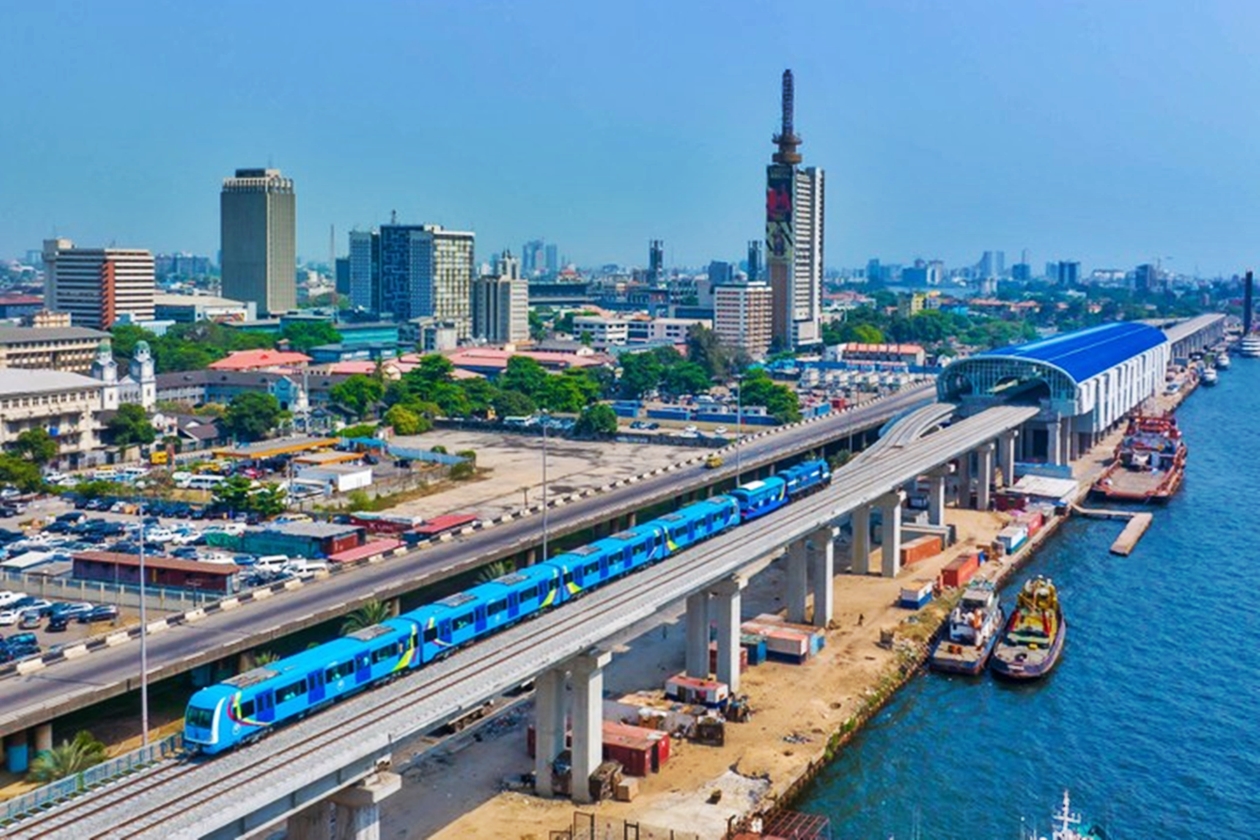
Lagos State

Lagos Greenline Railway

Project SponsorMOFI with LAMATA
Capital RequirementUS$1.29bn
Transport and Maritime
Agro-processing, food and fisheries
AGRO-PROCESSING
Giri, FCT

Giri Agro-Processing Hub

Project SponsorMOFI with Integrainium Processing
Capital RequirementUS$105m
Agriculture and Agro-Processing
Oil, gas, refining and petrochemicals
FERTILISER AND CHEMICALS
Ikot Abasi, Akwa Ibom

MIPL Ammonia and Phosphate

Project SponsorNSIA and OCP Africa
Capital RequirementUS$2.69bn
Oil, Gas and Power
Technology, digital and services
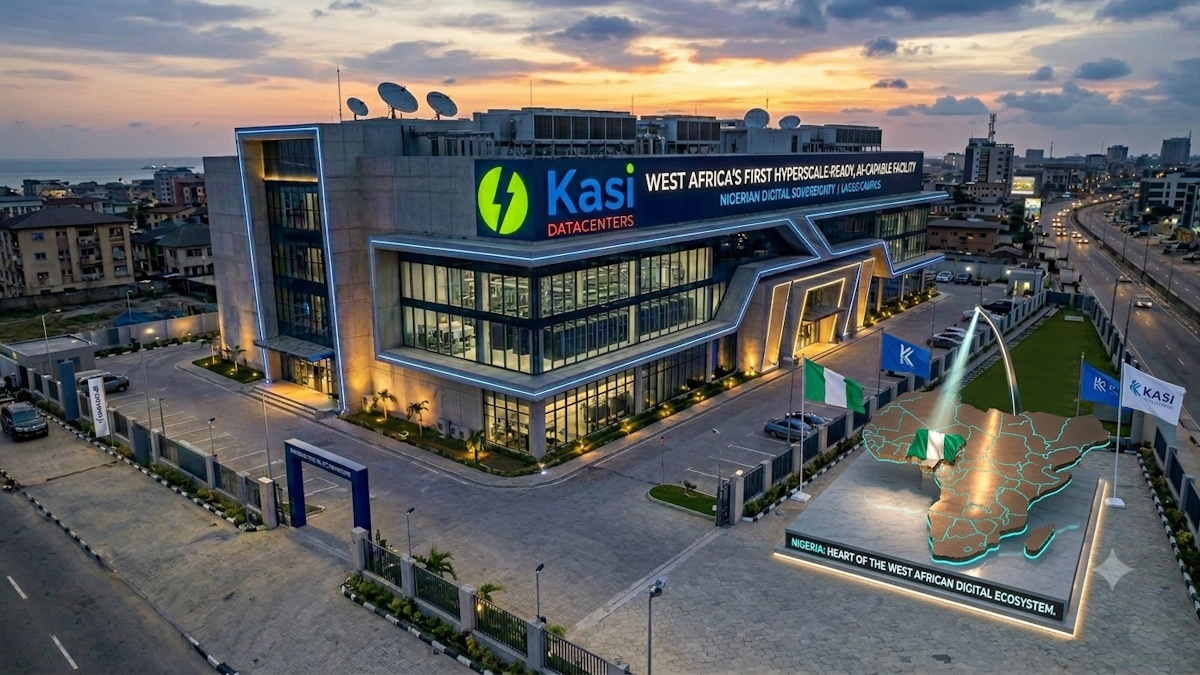
GAS AND DIGITAL INFRASTRUCTURE
Gbetiokun, OML 40, Delta State

PELIA Flare-Gas AI Data Centre

Project SponsorPELIA Energy SPV
Capital RequirementUS$355.6m
Technology, Health and Urban Services
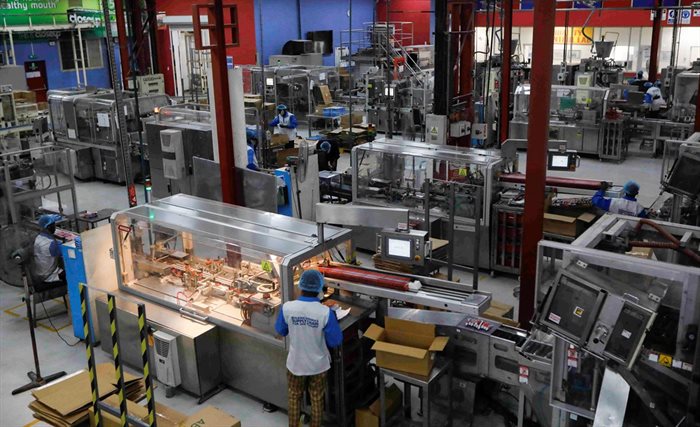
Manufacturing and heavy industry
STEEL MANUFACTURING
Ovwian-Aladja, Warri, Delta State

PSML Integrated Steel Upgrade

Project SponsorPremium Steel and Mines
Capital RequirementUS$1.25bn
Industry, Manufacturing and Mining

Taxation In Nigeria

What An Investor Should Know

Nigeria's tax reforms simplify the laws, align tax administration, improve transparency and make the environment more predictable for business. Know who taxes what, how to register, which rates apply and which incentives you can claim before you start operating.

0%Income tax for qualifying small companies
7.5%Value Added Tax on taxable supplies
5%EDTI credit on qualifying capital expenditure
16Countries with operational tax agreements
Investor Tax Guide · 01 / 06

Who Collects What

Nigeria operates fiscal federalism. Taxing powers are shared between the Federal Government, State Governments and Local Government Councils. Which tax applies depends on the taxpayer, the transaction and the legislation.

  • Federal Government: income and gains tax on companies, Value Added Tax, import and excise taxes and other federal taxes. Collected by the Nigeria Revenue Service (NRS) and the Nigeria Customs Service.
  • State Governments: income tax on individuals resident in the state, including employees and the self-employed, property tax and other state taxes, levies and charges. Administered by each State Internal Revenue Service.
  • Local Government Councils: specific local taxes, fees and levies authorised by law, including certain market-related charges and local business levies.

Identify the right tax authority for each obligation. The legislation behind each tax decides which authority can assess, collect or administer it.

Nigeria's tax framework supports revenue mobilisation while giving investment a more structured environment. Understanding the applicable rates, registering correctly, meeting filing and payment obligations and identifying incentives and reliefs early gives you tax certainty and protects your returns.

For further guidance, consult the Nigeria Revenue Service, the Nigerian Investment Promotion Commission and the relevant State Internal Revenue Service.

General information for investors. Rates, thresholds and incentives depend on your circumstances and the law in force. Confirm with the NRS, NIPC, your State Internal Revenue Service or a qualified tax adviser before you invest.

Investor FAQs

Practical answers for investing in Nigeria—from market entry and regulation to incentives, protection and useful contacts.

Section 01

Key Regulatory Bodies

Who governs Nigeria's investment landscape, and what does each agency do?

KEY BODIES

Nigeria's investment ecosystem is governed by specialised agencies. Engage the right body from the start.

What is NIPC and why must I register with it?
The Nigerian Investment Promotion Commission is the federal government's one-stop shop for foreign investors. Any company with foreign equity participation must register with NIPC within 3 months of incorporation. Registration costs ₦150,000 and typically processes within 24 hours online via nipc.gov.ng.
What is the Federal Ministry of Finance's investment role?
FMF oversees fiscal policy, import duty waiver approvals, the EDTI incentive framework (from January 2026), Nigeria's 17 double taxation treaties, and 13 bilateral investment treaties. Engage FMF for duty concessions and bespoke incentive negotiations on large strategic projects.
What does the CAC do?
The Corporate Affairs Commission registers all Nigerian businesses and issues the Certificate of Incorporation. Registration is online at pre.cac.gov.ng. It is the first step for every investor — domestic or foreign.
What does NRS do for investors?
The Nigeria Revenue Service administers all federal taxes — CIT, VAT, WHT, and PAYE. Investors must obtain a Tax Identification Number (TIN) from FIRS at tin.jtb.gov.ng within 6 months of commencing business.
What is SEC's role in 2026?
The Securities & Exchange Commission regulates Nigeria's capital markets — equities, bonds, mutual funds, ETFs, crowdfunding platforms, and digital assets — under the Investments & Securities Act 2025 (ISA 2025), which significantly expanded SEC's enforcement powers and introduced formal digital asset regulation.
What does the NGX do?
The Nigerian Exchange Group operates the main stock exchange. Investors buy and sell listed equities, bonds, and ETFs through SEC-licensed stockbrokers. Shares are held electronically via the CSCS. Regulated by SEC.
Who manages FGN Bonds and T-Bills?
The Debt Management Office (DMO) issues FGN Bonds (2–30 yr), Treasury Bills (91–364 days), FGN Savings Bonds (₦5,000 min), Green Bonds, and Sukuk. Purchase via banks, stockbrokers, or savings.dmo.gov.ng.
What does the CBN control for investors?
The Central Bank of Nigeria sets forex policy, licenses all banks, and governs capital importation and repatriation. All foreign capital must enter via a CBN-authorised bank, which issues the Certificate of Capital Importation (CCI) — the document that secures your right to repatriate funds later.
Section 02

Types Of Investments

What investment vehicles are available to me in Nigeria?

CAPITAL MARKETS & SECURITIES

Regulated by SEC under the Investments & Securities Act 2025.

How do I invest in Nigerian stocks?
Open an account with a SEC-licensed stockbroker and obtain a CSCS account number. Buy shares of companies listed on the NGX. Returns come from dividends and capital gains. Capital gains on listed shares are currently exempt from CGT. Minimum: ~₦5,000.
Can I invest in Nigerian real estate?
Yes — directly (buy land/property; Certificate of Occupancy required) or via NGX-listed REITs from ₦10,000–₦50,000. Foreign buyers may own property subject to the Land Use Act. REITs offer liquidity and professional management.
What government bonds are available?
FGN Treasury Bills (91–364 days), FGN Bonds (2–30 yr, fixed coupon), FGN Savings Bonds (₦5,000 min), Green Bonds (climate-linked), and Sukuk. Coupon income on FGN Bonds is exempt from income tax.
What agricultural investment options exist?
Direct farming, AFEX commodities trading, SEC-licensed agri-crowdfunding platforms, or shares in listed agri-companies. CBN's Anchor Borrowers Programme offers low-interest credit. A 5-year CIT exemption applies to qualifying agri-businesses. Minimum: ~₦50,000 on most platforms.
What are mutual funds and ETFs?
SEC-licensed pooled funds managed by firms such as ARM, Stanbic IBTC, FBNQuest, and Coronation. Types: money market, equity, bond, balanced, and Shariah-compliant. ETFs trade on NGX like stocks. Minimum investment: ₦5,000.
How can I invest in startups or private equity?
Via SEC-licensed PE/VC funds, angel networks (e.g. Lagos Angel Network), or ISA 2025 crowdfunding platforms. ISA 2025 created a formal crowdfunding regime, allowing retail investors to back startups from ₦10,000 on SEC-registered portals.

SUSTAINABLE & NON-INTEREST (ISLAMIC) INVESTMENTS

ESG and Shariah-compliant options have expanded significantly in Nigeria's 2026 market.

What sustainable / ESG investments exist?
FGN Green Bonds (₦120bn+ issued since 2017), state sustainability bonds, ESG-screened mutual funds, and green Sukuk. SEC's ESG disclosure framework (updated 2025) requires listed companies to publish sustainability reports. Green Bonds are listed on NGX's Sustainability Board.
What is Non-Interest (Islamic) Finance in Nigeria?
Shariah-compliant financial products that avoid interest (riba), excessive uncertainty (gharar), and prohibited sectors. Open to all investors regardless of religion. The CBN has a dedicated Non-Interest Finance department and SEC licenses Shariah Advisory Councils.
What is a FGN Green Bond and how do I buy one?
A sovereign bond whose proceeds fund government-certified green projects. Structured like a standard FGN Bond (fixed coupon, 5–10 yr tenor). Purchase via any commercial bank, stockbroker, or the DMO portal. Coupon income is tax-exempt.
What Sukuk and Islamic products are available?
FGN Sovereign Sukuk (₦1,000/unit min, listed on NGX), state Sukuk, corporate Sukuk, Mudarabah savings deposits (profit-sharing), Musharakah co-investment structures, and Shariah-screened equity and money-market funds.
Are there climate or impact investing programmes?
Yes — CBN's Sustainable Finance Principles mandate banks embed ESG into credit decisions. NIRSAL provides guarantees for climate-smart agriculture. Green and social bonds trade on NGX's Sustainability Board. EU-aligned ESG reporting standards are being phased in for listed companies.
Which banks offer non-interest banking?
Full non-interest banks: Jaiz Bank, Taj Bank, and Lotus Bank. Conventional banks with NIF windows: Sterling Bank, Stanbic IBTC. All are CBN-licensed with standard prudential requirements plus Shariah governance oversight.
Section 03

Domestic Investor Requirements

What does a Nigerian citizen or resident need to start investing?

REQUIREMENTS FOR DOMESTIC INVESTORS

Nigerian citizens and residents investing within Nigeria.

What ID documents do I need to invest?
Bank Verification Number (BVN) — linked to your biometrics at any bank; National Identity Number (NIN) from NIMC; and one government-issued photo ID (international passport, national ID card, or driver's licence). All platforms require KYC verification.
What does a corporate investor need?
Incorporation with CAC (pre.cac.gov.ng), minimum share capital of ₦100,000 for general businesses (higher for regulated sectors), FIRS TIN, a corporate bank account, and sector-specific licences. Companies with any foreign equity must also register with NIPC.
Do I need a Tax Identification Number (TIN)?
Yes. A TIN is mandatory for all investors — individuals and companies. Register free at tin.jtb.gov.ng or any FIRS office. Brokerage accounts, fund subscriptions, and bond purchases all require a TIN for withholding tax purposes.
Do I need a broker to buy NGX shares?
Yes. Retail investors must trade through a SEC-licensed stockbroker who opens a CSCS account for electronic share custody. Alternatively, invest in equities indirectly via SEC-licensed mutual funds or ETFs without a broker account.
What is the minimum investment amount?
No statutory minimum for most types. Practical minimums: NGX equities ~₦5,000; mutual funds ₦5,000; FGN Savings Bonds ₦5,000; REITs ₦10,000– ₦50,000; agri-crowdfunding ₦50,000. T-Bills are allocated via CBN auction with larger lot sizes.
Are there investment restrictions for Nigerian residents?
Generally no restrictions. However: petroleum sector requires NUPRC licensing; banking requires CBN approval; insurance requires NAICOM. Nigerian Content requirements apply in oil & gas under the NOGICDA 2010.
Section 04

Foreign Direct Investment

How does a foreign investor legally set up and operate in Nigeria?

FDI — ENTRY, REGISTRATION & OWNERSHIP

Nigeria permits up to 100% foreign ownership in most sectors.

Can foreigners own 100% of a Nigerian company?
Yes, in most sectors. The NIPC Act removed any requirement for local equity partners. Fully prohibited: arms production and narcotics. Cabotage transport and broadcasting have local majority rules. Oil & gas is subject to Nigerian Content obligations under the NOGICDA 2010.
What is a Certificate of Capital Importation (CCI)?
A CCI is issued by your CBN-authorised bank when you bring foreign currency into Nigeria for investment. It is the legal proof of your capital importation. Without a CCI, you CANNOT repatriate capital, dividends, or profits later. It cannot be issued retroactively — get it at the moment of transfer.
What is the minimum share capital for a foreign company?
₦100 million (approx. USD $65,000 at 2026 rates) for companies with foreign participation, versus ₦100,000 for 100%-domestic companies. Regulated sectors impose higher minimums: banking (₦500bn recapitalisation target by April 2026), insurance, and telecoms.
What sector-specific licences does an FDI company need?
Banking → CBN; Insurance → NAICOM; Capital markets → SEC; Telecoms → NCC; Oil & gas upstream → NUPRC; Downstream petroleum → NMDPRA; Pharmaceuticals/food → NAFDAC; Broadcasting → NBC. Apply in parallel with NIPC registration to save time.
What is the NIPC registration process?
1. Incorporate with CAC → 2. Complete NIPC Form 1 online (nipc.gov.ng) → 3. Upload CAC Certificate, M&A, share capital return, directors' particulars, and valid IDs → 4. Pay ₦150,000 via Remita → 5. Receive NIPC certificate (typically within 24 hours). Must be done within 3 months of CAC incorporation.
How long does FDI company setup take?
With the NIPC One-Stop Investment Centre (OSIC): CAC incorporation 2–5 days online; NIPC registration 1–3 days; Business Permit 5–10 days; sector licences 2 weeks–3 months. OSIC coordinates all agencies — engage at osic.nipc.gov.ng from day one.

FDI — DOCUMENTATION, RESTRICTIONS & REPATRIATION

Required documents and your statutory repatriation rights as a foreign investor.

What documents are required for NIPC registration?
Completed NIPC Form 1; CAC Certificate of Incorporation; Memorandum & Articles of Association (CAC-certified); Form CAC 2.1 (share capital & allotment); Particulars of Directors & Shareholders; Remita receipt for ₦150,000; valid IDs of all directors; passport photos of signatories; proof of registered office address.
Are there sectors where FDI is restricted?
Fully prohibited: production of arms/ammunition and narcotics manufacturing. Restricted (local majority/special approval required): coastal and inland shipping, domestic air transport (Cabotage Act), and broadcasting. For all other sectors, 100% foreign ownership is legally guaranteed under the NIPC Act.
What is the NIPC One-Stop Investment Centre (OSIC)?
OSIC is a coordinated desk at NIPC where representatives from CAC, NIPC, Immigration, Interior Ministry, and sector regulators process investor applications together. Available online at osic.nipc.gov.ng and physically at NIPC House, Abuja.
Can I repatriate profits and capital freely?
Yes — unconditionally, subject to two conditions: (1) the company is NIPC-registered, and (2) a valid CCI was obtained when the capital originally entered Nigeria. You may repatriate capital, dividends, profits, and loan repayments. No further CBN approval is required if you are tax-compliant.
What happens if I don't register with NIPC?
Operating without NIPC registration is a criminal offence. Penalties include fines of up to ₦500,000 and/or imprisonment. Unregistered companies lose all statutory investment protections and cannot legally repatriate funds.
Section 05

Taxation & Repatriation

What taxes apply to my investment income, and how do I move funds out?

Read The Taxation Investor Guide

Tax Rates & Repatriation Framework (2026)

Nigeria Tax Act 2025 and Finance Act 2024 govern the current tax environment.

What is the CIT rate in 2026?
25% for large companies (turnover >₦100m or fixed assets >₦250m), down from 27.5% in 2025. Medium companies (₦50m–₦100m turnover): 20%. Small companies (≤₦50m turnover AND ≤₦250m fixed assets): 0%. The progressive rate reform is fully phased in as of 2026.
What is VAT and does it affect investment income?
VAT is 7.5% on taxable supplies of goods and services. Financial services and investment income (dividends, bond coupons) are generally VAT-exempt. Exports are zero-rated. Companies with taxable turnover must register with FIRS for VAT and file monthly returns.
What other taxes do companies pay?
Education Tax: 4% of assessable profits (all companies). Petroleum Profits Tax: 50–85% for upstream oil & gas only. Company Social Contribution (NASSIT): 2.5%. Note: Education Tax is not deductible for CIT purposes.
What withholding taxes apply to dividends and interest?
Dividends: 10% WHT (reduced to 7.5% or less under applicable DTTs). Interest on loans: 10% WHT. FGN Bond coupon income: fully tax-exempt. Royalties: 10% WHT. Obtain a Tax Residency Certificate from your home country to claim treaty rates.
How do I repatriate profits and capital?
Step 1: Ensure NIPC registration is current. Step 2: Present your original CCI to your commercial bank. Step 3: Instruct the bank to process the remittance — no further CBN approval is required. Dividends are remitted net of 10% WHT (or applicable DTT rate).
Is there Capital Gains Tax (CGT) on shares?
The flat 10% CGT rate has been replaced with progressive income tax rates ranging from 0% to 30%, depending on the investor's overall income.
Section 06

Investor Protections

What legal safeguards protect my investment in Nigeria?

INVESTOR PROTECTIONS & DISPUTE RESOLUTION

Multi-layered legal protections under domestic and international law.

Is my investment protected from expropriation?
Yes. The NIPC Act prohibits nationalisation or expropriation of any registered enterprise except in cases of overriding national interest, and only then with prompt, adequate, and effective compensation. Nigeria has ratified the ICSID Convention, giving foreign investors access to international arbitration.
What does ISA 2025 add for investor protection?
ISA 2025 (Investments & Securities Act 2025) strengthens SEC's enforcement powers, introduces mandatory digital asset regulation, creates a formal crowdfunding investor protection framework, and enhances capital market transparency. Penalties for market manipulation and insider trading were significantly increased.
What do Nigeria's Bilateral Investment Treaties guarantee?
Nigeria has 13 BITs (Belgium, Canada, China, France, Germany, Italy, Netherlands, South Korea, Spain, Sweden, Switzerland, UK, South Africa). Each guarantees: fair and equitable treatment, MFN status, prohibition on unlawful expropriation, free transfer of funds, and access to ICSID arbitration.
What dispute resolution options exist within Nigeria?
Federal High Court (exclusive jurisdiction for investment/company law); Lagos Commercial Division; Lagos Court of Arbitration (LCA); Lagos Multi-Door Courthouse (LMDC); and the Investments & Securities Tribunal (IST) for capital market disputes.
Can I arbitrate investment disputes internationally?
Yes. Nigeria is a signatory to the ICSID Convention (World Bank arbitration, enforceable in 170+ countries) and the New York Convention on arbitration award enforcement. Nigerian courts must recognise and enforce valid international arbitration awards.
Is there investor protection for capital market investments?
Yes. SEC maintains an Investor Protection Fund (IPF) to compensate investors who suffer losses from broker insolvency or fraud. Brokerage firms must segregate client assets. ISA 2025 raised compensation limits and tightened asset segregation rules.
Section 07

Priority Investment Sectors

Which sectors is the Nigerian government actively prioritising?

AGRICULTURE

Why invest in Nigeria's agriculture sector?
Agriculture contributes ~25% of GDP and employs over 60% of Nigerians. The sector attracted $21.72M in FDI in H1 2024. With vast arable land, a 220M+ consumer market, and AfCFTA access, the commercial opportunity is immense.
What incentives are available for agricultural investors?
A 5-year Company Income Tax holiday (Pioneer Status / EDI), subsidised fertilisers, zero import duties on livestock feed raw materials, CBN Agricultural Credit Guarantee Scheme, and BOI concessional financing.
Which sub-sectors are most open to foreign investment?
Food processing, agro-allied manufacturing, export horticulture, aquaculture, livestock and dairy, irrigation infrastructure, and agritech platforms connecting smallholder farmers to markets.

ENERGY & NATURAL RESOURCES

What makes Nigeria’s energy sector attractive to foreign investors?
Nigeria is Africa's largest oil producer. In 2024-25, it captured 40% of Africa's upstream petroleum FIDs, totalling over $8 billion. Off-grid solar, mini-grids, and battery storage are also high-growth segments.
Is the renewable energy segment open to foreign investors?
Yes. The Presidential CNG and Electric Vehicle Initiative has mobilised over $2 billion in public-private investment. Off-grid solar projects benefit from favourable licensing and Rural Electrification Agency (REA) co-investment frameworks.
What legal framework governs oil & gas investment?
The Petroleum Industry Act (PIA) provides a modern, transparent framework with fiscal stability clauses. The revived Port Harcourt and Warri refineries signal strong government commitment to downstream sector development.

INFRASTRUCTURE & TRANSPORTATION

What is the scale of Nigeria’s infrastructure investment?
In 2025, the government committed ₦2.5 trillion to road infrastructure — the highest in Nigeria’s history. In the Federal Government's landmark ₦68.32 trillion 2026 Appropriation Act, infrastructure remains a core pillar, with ₦3.56 trillion allocated specifically to the infrastructure sector, reflecting the administration’s sustained commitment.
What rail and port opportunities exist?
Active projects include the Kano-Kaduna Standard Gauge Railway and modernisation of major seaports. PPP frameworks managed by the Infrastructure Concession Regulatory Commission (ICRC) are open to private sector participation.
Can foreign companies bid for public infrastructure contracts?
Yes. Foreign investors can participate through ICRC’s PPP process. A transparent procurement framework allows international firms to bid on roads, ports, airports, and urban transport concessions across all geopolitical zones.

TECHNOLOGY & DIGITAL ECONOMY

How developed is Nigeria’s technology ecosystem?
Nigeria hosts Africa’s largest startup ecosystem. Lagos is a Tier-1 tech hub. The Nigerian Exchange (NGX) launched a dedicated Tech Board in 2025, attracting over ₦120 billion in foreign venture capital since inception.
What protections exist for technology investors?
The Nigeria Startup Act grants a ‘Startup Label’ with tax incentives, immigration fast-tracking for talent, and a regulatory sandbox for fintech and digital businesses, coordinated jointly by the SEC and CBN.
Which digital sectors show the highest growth?
Fintech, e-commerce, agritech, healthtech, and logistics technology lead growth. Nigeria’s 70%+ population under 30, 50M+ internet users, and rising mobile penetration create one of Africa’s largest digital consumer markets.

MANUFACTURING

What are the top investment opportunities in manufacturing?
Agro-processing, chemicals, FMCG, building materials, textiles, and machinery. The government’s local content mandate has created a $50 billion market for locally manufactured goods.
Are there Special Economic Zones for manufacturers?
Yes. Nigeria operates Export Processing Zones (EPZs) and Free Trade Zones in Lekki, Calabar, and Kano offering duty-free imports, no export tax, full profit repatriation, and streamlined regulatory requirements.
What financing and tax support is available for manufacturers?
The Bank of Industry (BOI) is disbursing ₦75 billion to support MSMEs. The new Economic Development Incentive (EDI) provides a 5% annual tax credit on qualifying capital expenditure for up to 5 years upon NIPC approval.
Section 08

Government Incentives For FDI

What specific incentives has Nigeria put in place to attract foreign investment?

EDTI — CORE INVESTMENT INCENTIVE (FROM JANUARY 2026)

The Economic Development Tax Incentive replaced Pioneer Status Incentive. Performance-based and capex-linked.

What replaced the Pioneer Status Incentive (PSI)?
The Economic Development Tax Incentive (EDTI), effective 1 January 2026. PSI closed to new applicants on 10 November 2025. Existing 149 PSI holders retain their grants until expiry. EDTI is performance-based and capital-expenditure-linked, unlike PSI which was a blanket CIT holiday.
Which sectors qualify for EDTI?
Manufacturing and agro-processing; solid minerals (value-added processing); agriculture and aquaculture; renewable energy and power; technology and digital infrastructure; healthcare and pharmaceuticals; export-oriented industries; and education in underserved areas.
How does EDTI work?
EDTI grants a 5% Economic Development Tax Credit (EDTC) per year on Qualifying Capital Expenditure (QCE). The credit reduces your actual CIT liability naira-for-naira. It runs for 5 years with an additional 5-year carry-forward if unused. Apply via NIPC → Investment Incentives Division → FIRS.
Can EDTI be combined with other incentives?
Yes — stacking is permitted and encouraged. EDTI can be combined with: Disadvantaged Areas Relief (7-yr CIT holiday + 5% extra depreciation), import duty waivers, capital allowances (50–95% initial on qualifying assets), and sector-specific reliefs. FTZ companies use the FTZ exemption instead.
What is Qualifying Capital Expenditure under EDTI?
Plant and machinery for production; factory buildings and processing facilities; renewable energy installations; IT infrastructure for qualifying businesses; agricultural equipment. Excluded: financial assets, land, inventory, and non-productive assets.
What happened to Pioneer Status Incentive (PSI)?
PSI gave qualifying companies a 3-year (extendable to 5-year) full CIT holiday. It closed to new applications on 10 November 2025. Approved PSI holders retain their grants to stated expiry. EDTI is now the primary entry-level incentive for new investors.

FREE TRADE ZONES, EXPORT GRANTS & DUTY WAIVERS

Export-oriented investors can access Nigeria's most generous incentive package inside FTZs.

What benefits do Free Trade Zones offer?
Zero federal, state, and local taxes; 100% foreign ownership; no import/export duties; no Expatriate Quota; rent-free land during construction; and potential permanent residence for investors. Regulated by NEPZA (non-oil FTZs) or OGFZA (oil/gas FTZs). Key FTZs: Lekki, Calabar, Snake Island, Onne, Kano.
What import duty waivers are available?
The FMF, on NIPC/sector ministry recommendation, may grant zero or reduced customs duty on: plant and machinery (manufacturing, mining, agriculture); medical and laboratory equipment; solar panels, inverters, and renewable energy components; and specialised ICT infrastructure for qualifying projects.
What capital allowances can investors claim?
Industrial plant & machinery: 50% initial + 25% annual. Mining equipment: 95% initial + 5% annual. Agricultural equipment: 50% initial + 25% annual. R&D equipment: 95% initial + 5% annual. Commercial buildings: 15% initial + 10% annual. Claimed through the annual FIRS CIT return.
Can FTZ companies sell to the domestic market?
Yes — up to 25% of production may be sold domestically under a NEPZA permit, subject to applicable customs duties and VAT on the domestic portion. The remaining 75%+ must be exported.
What is the Export Expansion Grant (EEG)?
A government grant for non-oil exporters: 5–15% of the FOB value of eligible exports, paid as an Export Credit Certificate (ECC) acceptable against federal taxes (CIT, customs duties, VAT). Register with NEPC (nepc.gov.ng) to access the EEG.

DOUBLE TAXATION TREATIES, BITS & AREA-BASED INCENTIVES

International treaty protections and location-based incentives reduce your tax burden significantly.

Which countries have DTTs with Nigeria?
Nigeria has 17 DTTs (2026): Belgium, Canada, China, Czech Republic, France, Italy, Netherlands, Pakistan, Philippines, Romania, Singapore, Slovakia, South Africa, South Korea, Sweden, UAE, and UK. DTTs typically reduce dividend WHT to 7.5%, often exempt interest, and reduce royalty rates. Obtain a Tax Residency Certificate from your home country to claim benefits.
What are Bilateral Investment Treaties (BITs)?
Nigeria has 13 BITs providing legal protections to investors from: Belgium, Canada, China, France, Germany, Italy, Netherlands, South Korea, Spain, Sweden, Switzerland, South Africa, and UK. Each BIT guarantees fair treatment, MFN status, no unlawful expropriation, free fund transfer, and ICSID arbitration access.
What is the Disadvantaged Areas Relief?
Companies establishing operations in government-designated economically disadvantaged LGAs receive: a 100% CIT holiday for 7 years AND an additional 5% capital depreciation allowance. The government publishes the list of qualifying LGAs. Best combined with EDTI or sector incentives.
How do I access NIPC's Bespoke Investment Package?
For strategic investments typically exceeding $50m (or with significant employment/technology transfer impact), NIPC's Investment Promotion Department can negotiate a bespoke package: EDTI credits, duty waivers, land facilitation, utility connections, and expedited regulatory approvals. Contact via nipc.gov.ng before finalising your structure.

HOW TO MAXIMISE YOUR NIGERIA INCENTIVE PACKAGE

Strategic questions every investor should answer before structuring their Nigerian investment.

FTZ or customs territory — which is better for me?
If ≥75% of your output will be exported: choose a Free Trade Zone (zero tax, no quota, duty-free). If primarily serving the Nigerian domestic market: invest in the customs territory and stack EDTI credits, capital allowances, and sector reliefs. Both can be used simultaneously via separate entities.
How do I use my country's DTT to reduce withholding tax?
1. Confirm your country has a Nigeria DTT. 2. Obtain a Tax Residency Certificate from your home country's tax authority. 3. Submit it to your Nigerian company and bank BEFORE dividends or interest are paid. 4. Your bank applies the reduced DTT rate. Without it, 10% standard WHT is deducted.
How do I claim the EDTI credit in practice?
Apply to NIPC's Investment Incentives Division with your project plan and QCE schedule. NIPC reviews and recommends approval to FIRS. FIRS issues the formal EDTI determination. Claim the credit annually in your CIT return. Maintain detailed capex records — FIRS audits qualifying expenditure.
How should I time capital expenditure for maximum relief?
Time major QCE in the year EDTI takes effect. In that year you can claim both EDTI credit (5% of QCE) and initial capital allowances (50–95% of QCE) in the same CIT computation, maximising relief. Work with a FIRS-registered tax adviser to model optimal capex timing.
What is the single most important action when capital enters Nigeria?
Immediately instruct your CBN-authorised bank to issue a Certificate of Capital Importation (CCI). Cannot be obtained retroactively. Without a CCI, you have no legal right to repatriate capital or returns, regardless of NIPC registration. Treat it as critically as your CAC certificate.
Should I engage NIPC before or after incorporating?
Before. NIPC's free pre-investment advisory service can save months of delays. They advise on the optimal legal structure, applicable incentives, FTZ suitability, sector licensing, and BIT applicability based on your country of origin. Use OSIC at osic.nipc.gov.ng from day one.
Section 09

Expatriate & Immigration

How does a foreign investor legally set up and operate in Nigeria?

Expatriate & Immigration Requirements

Two mandatory approvals: Expatriate Quota (via NIPC OSIC) + CERPAC (NIS). Fee: USD $2,000/person.

What is an Expatriate Quota?
A government approval to employ a specified number of foreign nationals in named positions. Must be obtained BEFORE a foreign employee begins work. Apply through NIPC OSIC. Each position requires evidence that no suitably qualified Nigerian was available.
What documents are required for CERPAC?
Expatriate Quota approval letter; valid international passport (min. 6 months validity); signed employment contract; company's CAC Certificate and NIPC certificate; passport photos; proof of repatriation insurance. All submitted via the NIS online portal.
What is CERPAC and what does it cost?
CERPAC (Combined Expatriate Residence Permit and Aliens Card) is the NIS permit for foreign nationals residing and working in Nigeria. Fee: USD $2,000 per person. Mandatory repatriation/liability insurance of $500–$1,000/year is also required. Fully digitised — apply at immigration.gov.ng.
What is the understudy (succession) requirement?
For each expatriate position, the company must designate and actively train a Nigerian understudy to eventually take over the role. This is a legal requirement. Failure to maintain understudies can result in quota revocation and inability to renew CERPAC.
Do passive investors need CERPAC?
No. CERPAC and Expatriate Quota apply only to foreign nationals physically living and working in Nigeria. A foreign shareholder who does not work in the country does not need either permit. Directors attending occasional board meetings may use a Business Visa.
What happens if an expatriate works without proper permits?
Working without a valid Quota or CERPAC is a criminal offence. The employee may be deported, and the company can face fines, permit revocations, and reputational damage. NIS enforcement raids have intensified since 2025.
Section 10

Quick Reference Checklists

Step-by-step checklists for domestic and foreign investors.

INVESTMENT CHECKLISTS — 2026

Tick every item before committing capital to avoid delays and compliance issues.

DOMESTIC INVESTOR CHECKLIST

  • ✓Obtain BVN — visit any CBN-licensed commercial bank
  • ✓Obtain NIN — visit NIMC centre or use *346# self-service
  • ✓Register for TIN — tin.jtb.gov.ng (free, ~24 hrs)
  • ✓Open a bank account with a CBN-licensed bank
  • ✓Open a SEC-licensed brokerage account
  • ✓Obtain CSCS account number (for shares/bonds)
  • ✓Complete full KYC: BVN, NIN, valid ID, utility bill, photo
  • ✓Corporate: incorporate with CAC, obtain TIN, file annual returns
  • ✓Ensure sector-specific licences for regulated activities
  • ✓File annual tax returns with FIRS (due 6 months after year-end)

FOREIGN DIRECT INVESTOR CHECKLIST

  • ✓Incorporate with CAC — min. ₦100m share capital
  • ✓Register with NIPC within 3 months — ₦150,000 fee
  • ✓Obtain Business Permit via NIPC OSIC
  • ✓Transfer capital via CBN-authorised bank → get CCI immediately
  • ✓Obtain all sector-specific licences (apply in parallel)
  • ✓Register with FIRS — obtain TIN within 6 months
  • ✓Apply for EDTI credits via NIPC/FIRS (available from Jan 2026)
  • ✓Apply for Expatriate Quota for each foreign employee
  • ✓Obtain CERPAC for each expatriate — USD $2,000/person
  • ✓Designate Nigerian understudy for every expatriate position
  • ✓Retain CCI documents — mandatory for all future repatriations
  • ✓File annual CAC returns + audited financial statements
Section 11

Useful Contacts

Key agencies and official portals every investor needs.

USEFUL CONTACTS & OFFICIAL PORTALS

Always use official government portals. Verify URLs at nipc.gov.ng or sec.gov.ng.

Where do I register my company?
CAC — Corporate Affairs Commission pre.cac.gov.ng | +234-9-461-5400
Where can I buy and sell listed shares?
NGX — Nigerian Exchange Group ngxgroup.com | +234-1-236-0879 Via SEC-licensed stockbrokers.
Where do I register as a foreign investor?
NIPC — Nigerian Investment Promotion Commission nipc.gov.ng | OSIC: osic.nipc.gov.ng | +234-9-904-9630
How do I apply for CERPAC?
NIS — Nigeria Immigration Service immigration.gov.ng | +234-9-290-6006 Fee: USD $2,000 per person.
Where do I obtain a TIN?
FIRS — Federal Inland Revenue Service tin.jtb.gov.ng | firs.gov.ng | +234-1-908-7926
Where do I get a NIN?
NIMC — National Identity Management Commission nimc.gov.ng | *346# (all networks) +234-9-875-0839
Who regulates the stock market and mutual funds?
SEC — Securities & Exchange Commission sec.gov.ng | +234-9-461-0097
Who regulates Free Trade Zones?
NEPZA (non-oil FTZs): nepza.gov.ng OGFZA (oil & gas FZs): ogfza.gov.ng
Where do I buy FGN Bonds and T-Bills?
DMO — Debt Management Office dmo.gov.ng | savings.dmo.gov.ng | +234-9-461-4990
Where do I apply for export grants (EEG)?
NEPC — Nigeria Export Promotion Council nepc.gov.ng | +234-9-461-4990 For Export Expansion Grants and export facilitation.
Who do I contact for forex and banking?
CBN — Central Bank of Nigeria cbn.gov.ng | +234-700-225-5226 (helpline)
Need help with a specific project or investment question?Speak to our team ↗

Register For Nigeria's Bangkok Engagements.

Select one or both events. Access guidance is shown according to the event you choose.

Registration enquiriesinvestorsforum@finance.gov.ng
01
EventChoose your engagement
02
AccessReview entry requirements
03
Your detailsIntroduce yourself
04
InterestsPlan your conversations

Choose one or both events. The team will use your interests to coordinate relevant project conversations.
Select The Event(S) You Will Attend

You may register for either engagement or select both.

Please select at least one event.

Access Information

Your access guidance is based on the event selection you made.

Your Details

Tell us who will be attending and how we should contact you.

Please complete all required details before continuing.

Investment Interests

This helps the team coordinate relevant project conversations and meeting requests.

✓

Complete Your Event Registration

Send your details to the event registration team to complete registration.

Registration enquiries: investorsforum@finance.gov.ng
Presented in collaboration with
Federal Ministry of FinanceCentral Bank of Nigeria
Nigeria Investors Forum · Bangkok · 14 October 2026

Investor Interest Registration

Choose multiple sectors and projects. Your selection will help the team coordinate the next steps. All fields are optional.

01 · Investor Profile & Contact Details
Investor Classification · Select All That Apply
02 · Sectors & Projects Of Interest
Priority Investment Sectors

Select one or more sectors. You can choose projects from all selected sectors.

Specific Projects Of Interest

Choose sectors first.

03 · Investment Structure & Capital Deployment Preferred Mode Of Investment · Select All That Apply
Target Ticket Size / Planned Capital Allocation
Target Deployment Timeline
04 · Follow-Up Requests & Next Steps Requested Actions From NIPC & Transaction Coordinators
05 · Authorisation & Sign-Off
You can review your selections before submitting.

Speak To The
Projects Nigeria Team

Ask about a project, request a data room pack or arrange a meeting. Our teams will be at the Nigeria pavilion for bilateral meetings, 12–18 October 2026.

enquiriessubmission@finance.gov.ng

Visit The Ministry

816 Ahmadu Bello Way
Central Business District 900103
Abuja, FCT, Nigeria
Get directions ↗